

Indigenous Working Group (IWG)
The FSC Australia and New Zealand Indigenous Working Group (IWG) is a diverse collective of representative First Nations Peoples who have come together with a shared vision — to strengthen First Nations leadership, knowledge, and influence within the forestry sector for the benefit of current and future generations.
About the IWG
Representing a range of cultural nations, lived experiences, and regional perspectives, IWG members are united by their commitment to Country, community and culture. Together, they bring valuable insight, traditional knowledge, and professional expertise to support the FSC ANZ’s mission of responsible forest stewardship grounded in First Nations values. The IWG recognises that true sustainability cannot exist without cultural integrity. Its members work collaboratively to ensure that Indigenous rights, voices, intellectual property and wisdom are meaningfully embedded within all aspects of forest management, certification and governance.
The IWG is a working group seeking to act in the best interest of current and future generations — it is a partnership founded on trust, reciprocity and shared purpose. Members are committed to acting with integrity and compassion, always mindful of their cultural responsibilities to protect, heal, and regenerate Country. Each member contributes unique knowledge, perspectives and lived experiences that strengthen the collective voice of the group and enhance its capacity to shape positive change.
Vision: As leaders on Country, First Nations People of Australia and Aotearoa (New Zealand), walk together to enable a forestry future that respects the rights of First Nations People, and creates opportunities that embodies cultural values, care and protection of Country in all certification, products, services and forestry businesses.
Purpose: To engage in positive, impactful relations on Country that supports, maintains and celebrates IWG’s vision.
Core Principles
The IWG Core Principles focus on holistic care for Country, guided by spiritual, cultural, ecological, and social responsibilities. They emphasise the importance of Lore and Tikanga - customs, values, and protocols that ensure decisions and actions are culturally appropriate and harmonious. Indigenous Knowledge Systems (Matauranga) are recognised as adaptable frameworks integrating ecological, spiritual, and traditional knowledge. The principle of Right-Way Relationships is a manner that highlights respectful, balanced connections between people, nature, and spirit, ensuring all activities strengthen ties between community, culture, and country.
-
Caring for Country – Tiaki mo te Taiao
Care for Country is a holistic way of being and doing, grounded in the spiritual, cultural, ecological, and social responsibilities of First Nations Peoples. It is the sacred duty to nurture, protect, and sustain ancestral lands, waters, and skies, recognising that the wellbeing of people and the health of Country are woven together inseparable and interdependent. This philosophy honours the deep connection between community and environment, ensuring that every action upholds balance, respect, and the ongoing vitality of all living systems.
-
Lore – Cultural Protocols – Tikanga
Lore and Tikanga denote the customs, values, laws, and appropriate practices within Australia’s First Nations and Māori culture. Grounded in ancestral knowledge and wisdom, they serve as an ethical framework directing decision-making, behaviour, and relationships, ensuring actions are undertaken appropriately and harmoniously with nature and community. They are adaptable and contextually responsive, evolving over time while remaining rooted in fundamental principles of respect, balance, and collective well-being. They shape interactions among people, with the land, and within spiritual contexts, fostering harmony and accountability.
Cultural protocols affirm the authority of Elders, protect sacred knowledge, and ensure that engagement, research, and project implementation are conducted in accordance with local traditions, language, and legal systems.
-
Indigenous Knowledge Systems – Matauranga
Indigenous Knowledge Systems—Mātauranga—are adaptive, relational frameworks built over millennia, integrating ecology, spirituality, astronomy, law, kinship, and language through close observation and coexistence with nature.
-
Right-Way Relationship – Mana Whenua
Right-Way Relationships are about forming respectful, culturally rooted connections with First Nations Peoples, Country, and all living things according to Indigenous law and tradition. It describes a balanced and harmonious relationship among people, nature, and spirit—where all forms of life, environments, and ways of knowing flourish together. From this viewpoint, relationships are sacred and deeply interwoven—not just among humans, but also connecting to land, water, sky, ancestors, and those yet to come. To live and work the “right-way” is to act with cultural integrity, truthfulness, and balance, making sure every action honours both spiritual and environmental responsibilities. Such relationships are ongoing and transformative rather than merely transactional, founded on mutual care and shared purpose. They guarantee that all activities within this plan serve to strengthen the connections between people, culture, and Country—the intricate web of life.
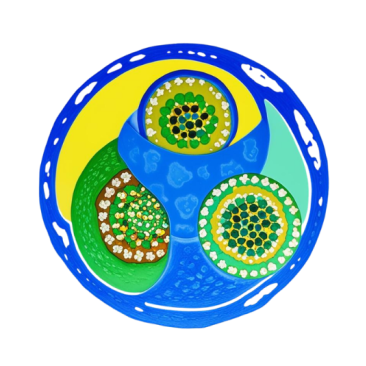
Core Values
The core values emphasise upholding cultural relationships and protocols, empowering First Nations communities through self-determined leadership, acting with integrity and transparency, respecting all living beings and the rights of Country, and building long-term partnerships based on trust and shared responsibility. Together, these values guide all actions towards sustainable, inclusive, and culturally grounded forest management.
-
Culture
Culture is upholding the sacred relationships, laws/lores, and customs that define our identity and guide how we interact with our Country.
-
Empowerment
Empowerment is building the capacity of First Nation’s communities to lead, decide, and prosper through self-determined forest management, enterprise, and governance.
-
Integrity
Integrity is acting with honesty, courage, and transparency to protect what is right for Country, right for kin, culture and community, and right for future generations who will follow in our footsteps.
-
Respect
Respect is honouring the spirit of all living beings — people, plants, animals, waters, and skies — and recognising the inherent rights of Country to be cared for, restored and simply exist.
-
Partnerships and Shared Journey
Partnerships and shared journey refers to building respectful, long-term relationships based on trust, reciprocity, and shared responsibility — working with governments, industry, and communities to create collective impact. Recognising that the path to balance and sustainability is one we walk together — uniting Indigenous and non-Indigenous peoples in a common purpose to heal, protect, and regenerate Country.
You also may be interested in